Not too long ago, I was speaking with someone who casually mentioned that the fathers of both her children had spent time in prison. Curious, I asked what they had been incarcerated for. One, she said matter-of-factly, had been selling drugs on a street corner. The details about the other, I do not remember.
My immediate reaction was fear and concern for her.
“Doesn’t that bother you?” I asked.
She shrugged as though it were something minor, something that barely warranted discussion. I was confused by her response. How could something that seemed so significant to me appear so ordinary to her?
That conversation stayed with me.
It pushed me to revisit some painful realities about my community. As I began digging deeper, I found that two separate, reputable reports ranking crime rates in major U.S. cities placed my city among the top seven. That is hardly something to celebrate. Yet, in many neighbourhoods, life feels surprisingly normal. If not for the evening news, many people could comfortably live in oblivion, feeling perfectly safe in their daily routines, unaware of the broader statistics surrounding them.
My friend’s situation is not uncommon. There are many women raising children with men who have spent time behind bars. And while I will always advocate for law, accountability, and justice, I cannot ignore another reality: sometimes the punishment appears designed not only to hold people accountable but to break them entirely.
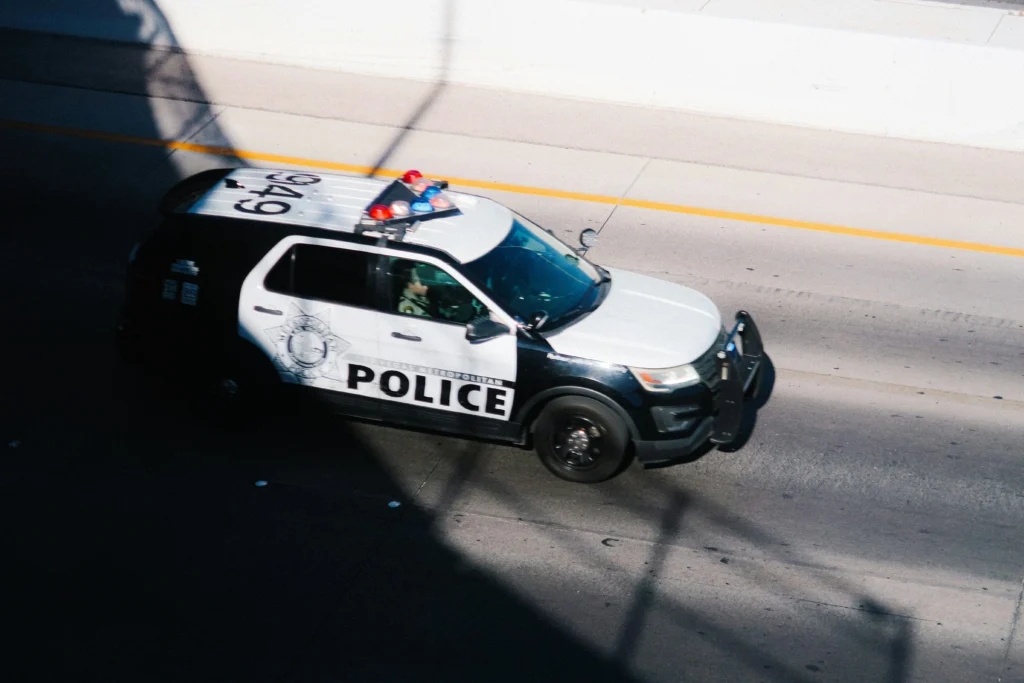
Recent outcries have highlighted concerns about fairness, transparency, and justice in our communities. The tragic and still unresolved death of Nolan Wells has reignited difficult conversations. People are searching for answers. Families are seeking closure. Communities are demanding accountability. It is very easy to speculate about what may have happened and why, yet too often it feels as though those entrusted with protecting us and delivering justice are viewing these situations through a different lens than the rest of us.
I continue to pray for truth, accountability, and a GENUINE resolution.
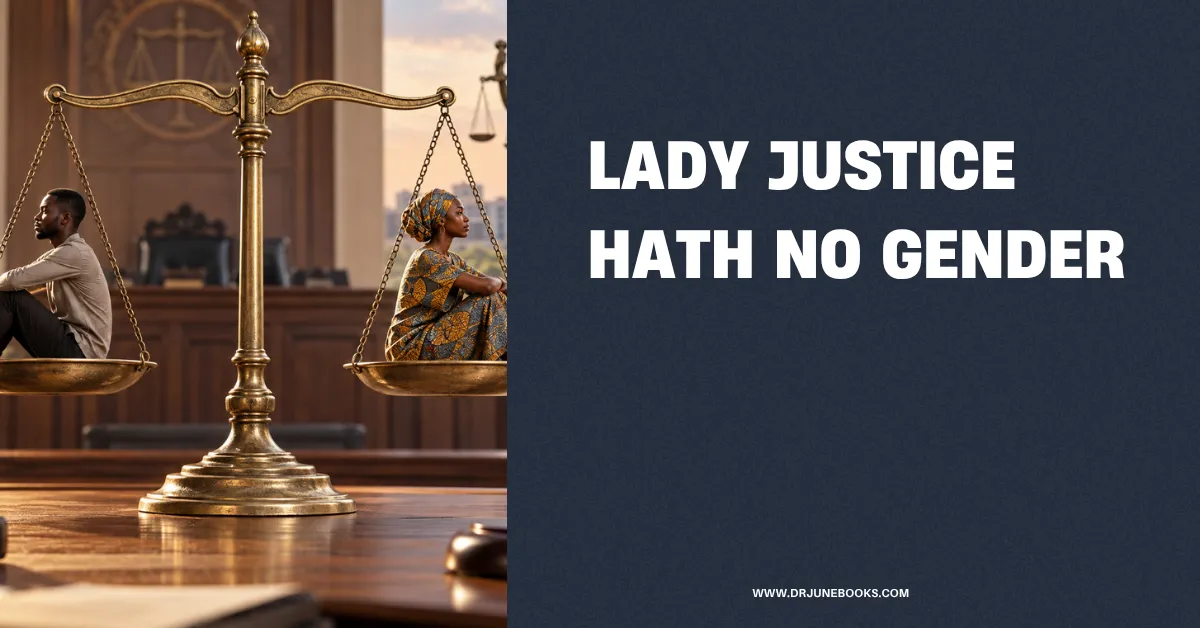
These conversations matter because they expose a deeper issue: the persistence of inequity and injustice. They challenge us to examine not only individual choices but also the systems that shape opportunities, outcomes, and futures.
It is easy to sit on the sidelines and judge someone with a criminal record. It is much harder to ask why they ended up behind bars in the first place.
To be clear, there are dangerous individuals in the world, and communities deserve protection from those who repeatedly choose to harm others. But there are also young people, particularly young Black men, whose mistakes, circumstances, or environment can place them on a path that follows them for the rest of their lives. Too often, they are denied meaningful opportunities to start over.
I was reminded of this recently when someone close to me was stopped on the highway. He was not driving recklessly. He was not speeding. Yet he was pulled over while driving a luxury black vehicle, and the reason felt painfully obvious to those who know him: he was a Black man behind the wheel. This happened less than five minutes from home. Even now, I dread thinking about the many ways that encounter could have escalated.
Experiences like that make it impossible to ignore how differently justice, suspicion, and opportunity can be distributed. They remind us that some people begin the race carrying burdens that others never have to consider.
My conversation with my friend reminded me of something important: people are more than the worst decision they have ever made.
Many former inmates simply want what most of us want, a chance to work, to contribute, to love, and to be loved. The stigma attached to incarceration is already heavy. We do not need to add to that burden.
If we can become more welcoming and intentional about helping people reintegrate into society, we may help break cycles that have persisted for generations. We may create pathways that keep more young Black men away from prison in the first place.
Sometimes justice is not only about punishment.

Sometimes it is also about restoration, redemption, and the belief that a person’s future does not have to be defined forever by their past.
Perhaps that was the lesson hidden within a conversation I almost dismissed. Before we judge a person’s past, we should take the time to understand the road that led them there. Accountability matters. Justice matters. But so do mercy, opportunity, and the willingness to believe that people can become more than their mistakes.
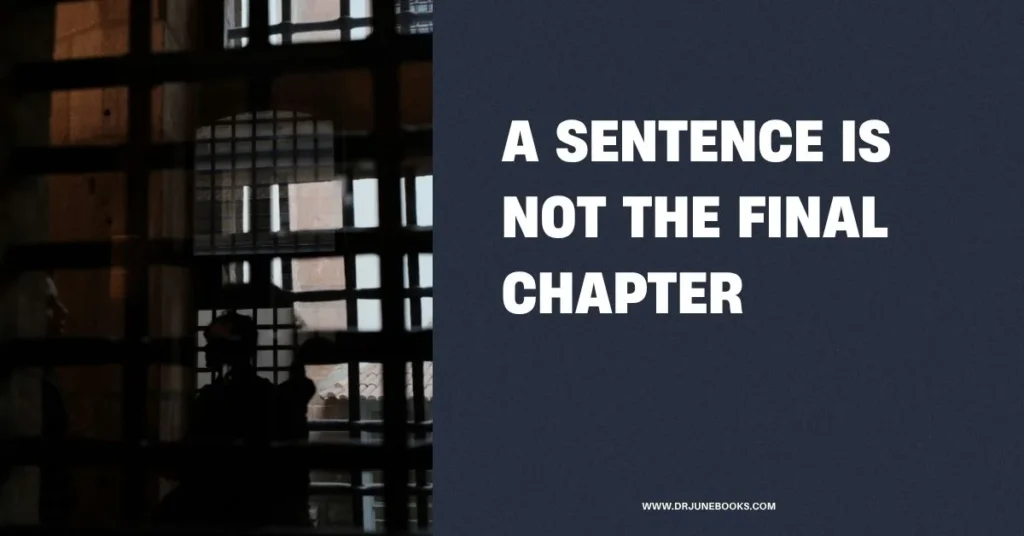
My friend’s response initially puzzled me because I could not understand how something that seemed so alarming to me had become so ordinary to her. But in reflecting on our conversation, I realized she understood something I did not. A prison sentence may be part of someone’s story, but it does not have to be the final chapter. If we truly want safer communities, stronger families, and better futures for our young people, we must create room not only for consequences, but also for second chances.