

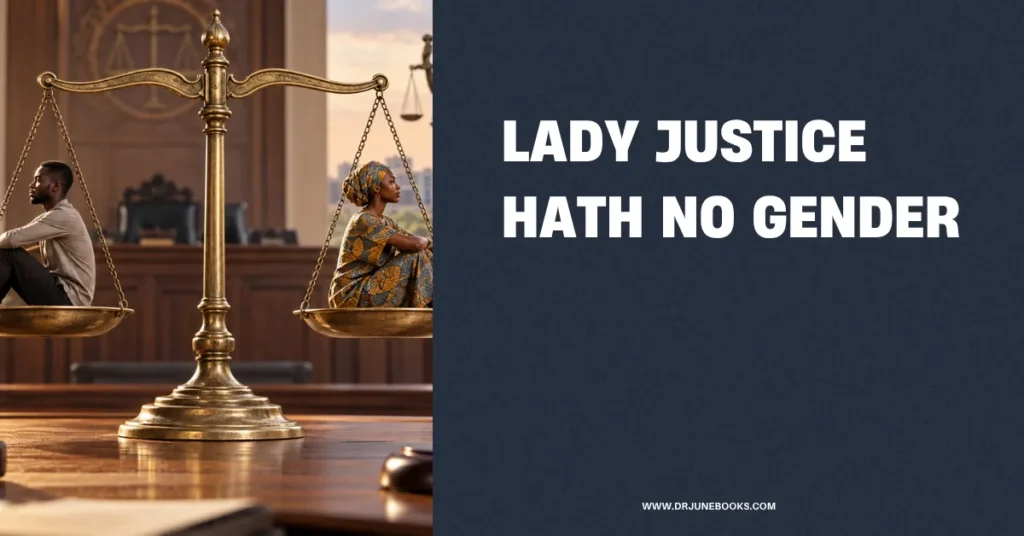
Last week, I came across a story that broke my heart and left me unsettled.
We live in an age where tragedy is never far away. Every day brings another headline, another injustice, another reason to pause and reflect. Yet, every now and then, a story emerges that forces us not only to confront what happened, but to examine our own beliefs and biases.
This was one of those rare ones.
It was the story of a man in Accra who alleged that he had been sexually violated by three women.
If you are in Ghana, you have most likely heard about the case. If not, Google is a good tool. If you are overseas and have not heard of it too, the details are a search away. What struck me was not simply the allegation itself, but the public reaction that followed.
When my mother first told me about the story, I was angry that anyone could experience such a violation. After watching the video myself, I found something else more disturbing: the willingness of so many people to dismiss him before even considering the possibility that he might be telling the truth.
I shared the story with a few of those in my circle. Some laughed and treated it as a joke. Others insisted it was impossible. A few dismissed it entirely as balderdash.
So I asked a simple question:
What would have been your reaction if the victim were a woman?
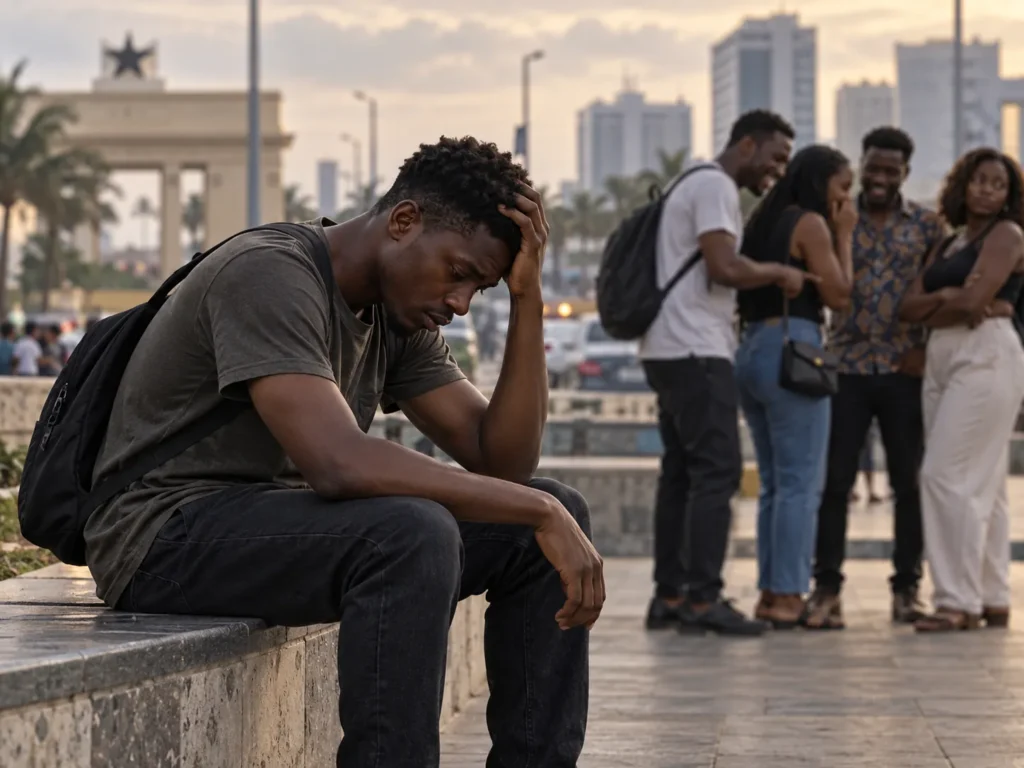
For many, that was a conversation stopper. For others, it prompted an uncomfortable change of subject.
For years we have encouraged victims of abuse and assault to speak up. We have fought and continue to fight, to create spaces where they can be heard, believed, and supported. Yet when a man comes forward with a similar claim, many of the same people suddenly abandon the very principles they champion.
Why?
Is our empathy conditional?
Does our compassion depend on gender?
I consider myself a feminist in many respects. But I am also a realist. I believe that justice loses its meaning when it becomes selective.
If we argue that consent matters, then it must matter for everyone.
If we argue that victims deserve dignity, then that dignity must extend to everyone.
If we argue that abuse is wrong, then it remains wrong regardless of who commits it and who suffers it.
As a person who felt violated after an abuse, he tried to seek justice from the law enforcement . Yet the very people entrusted with protecting him reportedly ridiculed him and turned his trauma into a source of amusement rather than responding with compassion.
I find that very troubling.
Imagine finding the courage to report a deeply traumatic experience only to become the punchline.
Imagine being told, directly or indirectly, that your pain does not count.
For many men, this is exactly why abuse goes unreported. The fear is not only of the violation itself but of the humiliation that may follow. They fear not being believed and mocked. They fear being told to “man up.”
And when society reacts with laughter, those fears are validated.
Why will the next victim even speak up?
This man turned to the media to vent his grievance and talk about his ordeal. During a broadcast, one of the female rapists called and shamelessly admitted that they did indeed violate him, further claiming he was not their first victim.
In the days that followed one of the women came openly to the media house with money that had been agreed upon as compensation for the man.
Many people, including some close to me insulted and criticized the young man for accepting it. They said he was insane and argued that by taking the money, he had somehow weakened or trivialized his own case.
But this case raises uncomfortable questions that go far beyond a financial settlement.
In Ghana, the law does not adequately recognize male victims of sexual violence. What message does that send?
If this was not rape, what is?
Laws are not static. They evolve because societies evolve. They change when people collectively recognize that an existing framework no longer serves justice. These women rapists are walking around with their heads held high, seeking their next victim.
Change rarely happens in silence.
It happens when people demand better and refuse to accept that some victims deserve protection while others deserve ridicule.
One person argued that the man had received more than enough and should stop complaining until the law is amended. But if there is no public outcry for justice, if we are not angry enough to stand in solidarity with the oppressed in our society, how will those outdated laws ever change?
Some maintain that the allegations were fabricated.
If that is true, then why was compensation paid?
If it wasn’t scripted, does the man not deserve justice?
We cannot continue to describe women as the weaker sex while refusing to acknowledge that some, like men, can be this devious and be perpetrators of such heinous crimes.
Should female criminals be held to a different standard?
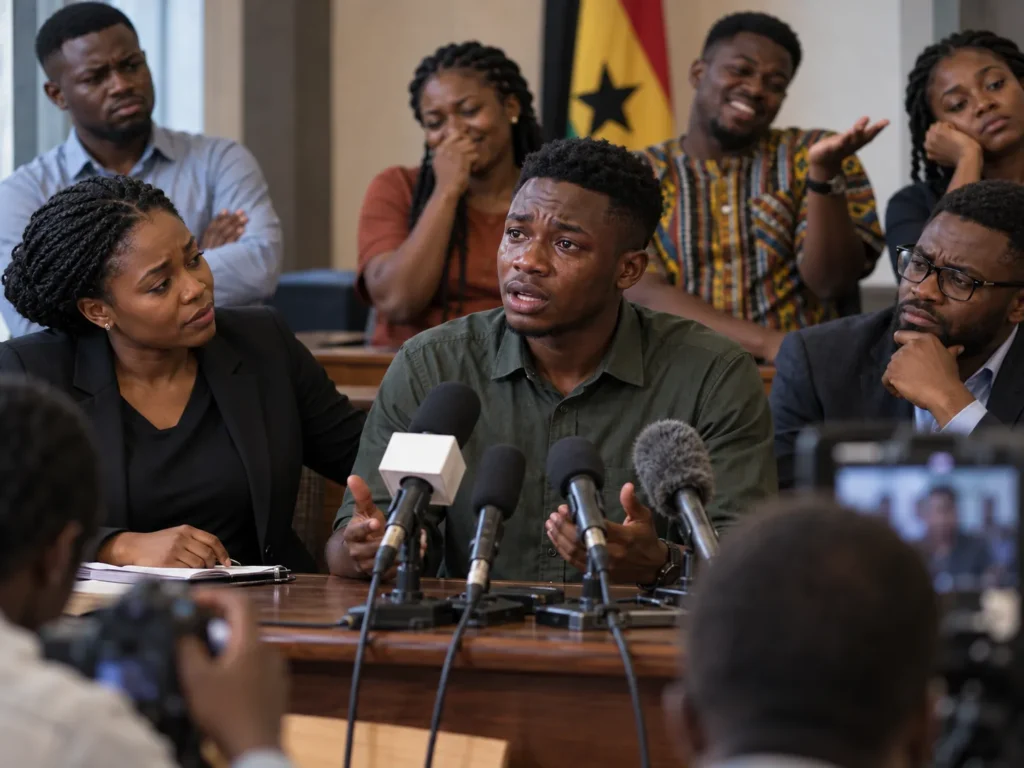
What does it say about us that so many people were willing to mock the possibility of a male victim before seeking the facts?
This is not a conversation about men versus women.
It is not about diminishing the experiences of female victims.
It is about whether justice should depend on gender.
It is about recognizing that cruelty, manipulation, and violence are human failings, not exclusively male or female ones.
Statistics consistently show that men are less likely to report abuse and violence against them because of stigma and fear of ridicule. When a man does find the courage to come forward, he deserves the same respect, empathy, and consideration that would be given to a woman under similar circumstances.
A truly just society does not ask whether a victim fits a familiar narrative.
It seeks to answer this:
Was a human being harmed?
If yes, then that human being deserves to be heard, respected, and protected.
This case is bigger than one man.
It is bigger than the women accused.
It is bigger than the arguments raging across social media.
It is a test of who we are as a society.
Does consent matter, or only when certain people are involved?
Do we truly believe that victims should be heard, or only when their stories make us comfortable?
Do we truly believe in equality before the law, or only when it suits our preferred narrative?
If the laws are inadequate, they must be amended.
If institutions are failing victims, they must be challenged.
If societal attitudes are preventing people from speaking out, they must be confronted.
Because abuse is abuse. Violation is violation. Trauma is trauma.
And every human being, regardless of gender, deserves the protection of the law, the dignity of being heard, and the right to seek justice without becoming the subject of a joke.
Until we reach that point, the question is not whether our laws have failed.
The question is whether we have.

10 Responses
Dr. June, Dr. June, Dr. June. there is more to unpack in the story than a simple he said, she said narrative. Yes, societal bias and prejudices play a big factor in how this is going to play out eventually. Yes, you are very right, the lack of outcry is troubling but the history of changing mindset towards females and abuse has not even been fully developed in our society. To push for gender neutral advocacy is the right thing to do but might just derail the progress made so far in our society. Baby steps but very valid observation. The case of compensation adds another layer of complexity, and I will leave that for the lawyers. Does it move it from being a civil case to a criminal case. By accepting the compensation, does that close the case. Thanks for the conversation and your insight as always.
Agree, the case should be picked up and pushed forward, compensation or not.
Another masterpiece. Well done.
Thank you!
Another great effort Dr. June. In an African or particularly Ghanaian setting, sexual violation of an adult male by women is no news. The male will rather be subjected to ridicule and jokes and even referred to as a fool for reporting such a matter. It is a pity the age of the male victim is not mentioned. If the victim is a teenager society will frown on the act and the law will have to take its course. Financial compensation will not have been enough. On the flip side men sexually assaulting a woman is a very serious matter in the eyes of society and calls will be made for prosecutions and severe punishment for the perpetrators. In our social setting this case will generate a lot of attention from the public and law enforcement if the victim has not yet attained majority. For an adult our society’s response will be no case.
Thank you uncle KP. I think his age was mentioned somewhere else. Either way, I pray he gets the justice he deserves.
Beautifully articulated, Dr. June!
I was captivated by this write up. It also drew my attention to other contents in your blog.
I absolutely agree that justice must never be a privilege determined by gender, nor should empathy be selective.
Consent is universal, abuse has no gender, and every victim deserves dignity, compassion, and a fair hearing.
A man’s pain is no less real because he is a man, and a woman’s wrongdoing is no less serious because she is a woman. Compensation does not erase a violation, just as public ridicule does not invalidate trauma.
Allegations must be investigated fairly, perpetrators held accountable, and inadequate laws reformed.
If we truly believe as I do in equality, then our compassion, our outrage, and our pursuit of justice must be equally blind to gender.
Lady Justice must never have favorites!!!
Dr. June, thank you for sharing this.
This matter. It’s quite different cry how the man was received for reporting the supposed rape and when he asked for compensation……hmmmm. Like Kwame Peprah Poku said , there’s a lot to unpack. We pray society would accept abuse toward men the same way women receive sympathy and empathy when same is meted out to them. Until then let’s keep soldiering on.
Great piece there 👍🏾
This matter!
Dr June, l am surprised you pour out your sentiment on this outcry of a man and brought it for discussion. I wish Ghana media would pick it up and discuss to find antidote to such heinous crime!
First of all, for the man to complain meant he is hurt! It creates discomfort to him yet law enforcement and society ignored him and ridicule the man. A comment from the rapist made it more serious to accentuate the man’s ordeal. The boldness for the rapist to affirm he was their third rapist without arrest means they have been authorized to continue. Worse is going to happen as it went uncorrected! I pray they don’t do it to an innocent day student on his way to school as she affirmed that was the way they do to entertain themselves. Listening to the man’s ordeal, he was chained to the bed not released to freely act to enjoy rather he was tamed helms the serious of the matter. I can go on to unleashed the gravity of the matter but for the sake of space, l can’t continue.
In conclusion, this issue should be a serious concern to look into to unraval the canker yet they will allow it to slang for repetition. Another group of girls will learn from it to do worse as it seems not a crime to the public. As insults against elderly and authorities had been normalized parties, now developed to a canker, pulling down the moral fabrics of Ghanaian Society! Let me stop here else l will be triggered to write more!