

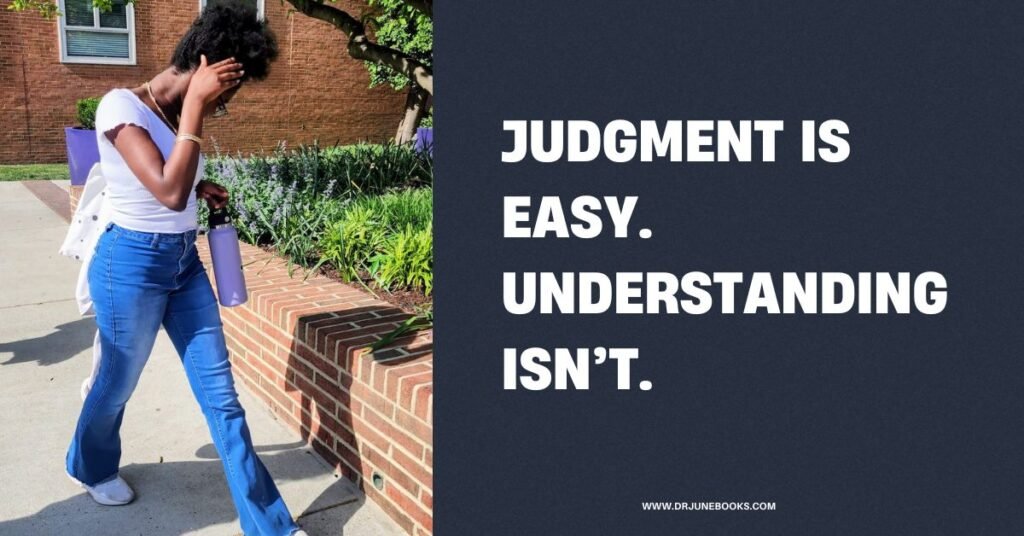
“Mum… was your last blog inspired by the Lindsay Clancy case?”
“Who is that again? The woman who killed her kids? She’s just evil!”
“Mum, what she did was bad, but I think you should read about her case before you call her names. She was very sick. She sought help but was sent home with a bunch of medications she said were causing side effects. You are the pharmacist.”
“Okay, baby, I will. Have a nice day.”
“Love you Mum.”
“Love you too baby.”
That was a slightly modified version of a conversation I had with one of my daughters as I dropped her off at school — just days before the trial was declared a mistrial. I am no lawyer and would never pretend to be one, but that child of mine got me thinking. Her words stopped me in my tracks. All I knew about the case was that a woman had killed her children. And like many, I judged her instantly. I condemned her. I waited for the “happy ending” — the offender rightfully sentenced, justice served, case closed.
As a mother, the thought of harming my children is unfathomable. Even imagining them slightly hurt makes my heart seize. So how could any mother do the unthinkable?
This case gripped the whole nation — and parts of the world — but for me, it was my daughter’s plea that stirred something deeper in me. A child who knows and understands what maternal love feels like was asking me to look into the case of a woman she knew had deprived her own children of that same love. That contradiction alone forced me to pause.
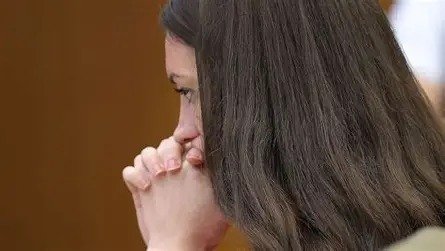
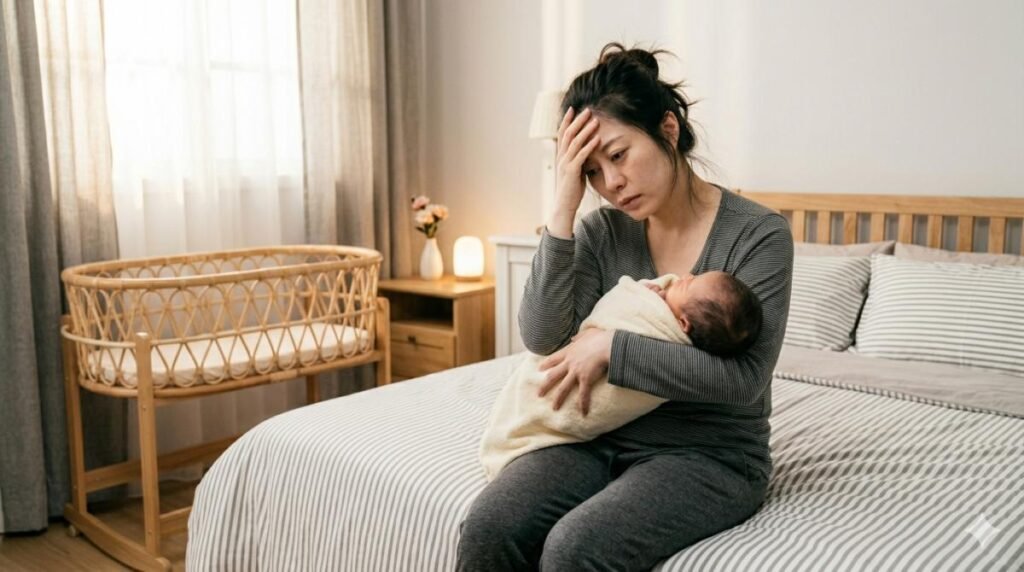
Mental health is complicated. Unless you or someone close to you has walked through its shadows, it is easy to dismiss, judge, or misunderstand. You need to have empathy, to appreciate where the other person is coming from. In many cultures — mine included — mental health is shunned, minimized, or treated as weakness. Postpartum depression, especially, remains one of the most troubling and unaddressed conditions. Society expects motherhood to make one the happiest. And yes, babies bring joy — but they also bring exhaustion, hormonal storms, pressure, and expectations that can send even the strongest woman spiralling down a rabbit hole.
In retrospect, I think I experienced a touch of postpartum depression myself. But when I tried to speak up, I was shut down and told I was ungrateful. I was reminded that others were praying for what I had, how dare I complain, right?
My daughter told me that Lindsay had supposedly begged to be committed — begged — but was instead sent home with a cocktail of antidepressants, antipsychotics, mood stabilizers, and more. I do not trust everything online, but if the medication list circulating is even half true, the question becomes unavoidable: Why was she ever left alone with her children?
Confusion. Poor judgment. Hallucinations. Suicidal thoughts. Impulse control issues. These are not minor side effects. These are red flags. I will not go into all these side effects, but the medications point to what was assumed to be her diagnosis. Someone knew her condition. She sought help. She was sent home anyway. And her innocent children paid the ultimate price – with their lives, because she was not removed from the environment despite all the warning signs.
How many of us experience even mild depression, anxiety, or emotional strain but stay silent because we fear being labelled weak? When does admitting vulnerability become acceptable in the eyes of a society that condemns us for simply being human?
Mental health will always be a grey area because no one truly sees what the sufferer is experiencing. We often only look back after tragedy strikes — the devastating outcome of their troubled state of mind is what causes us to review medical histories, missed signs, and what could have been done. By then, it’s too late for some innocent person.
I do not condone violence of any kind. But I also cannot ignore the unheard — those too ashamed to seek help, those who sought help but didn’t receive it, those drowning quietly in their own minds while the world demands strength.
Here’s to a society that finally understands mental health is real, complex, and deeply personal.
Here’s to compassion.
Here’s to listening.
Here’s to acknowledging that it’s okay not to be okay — and it’s more than okay to get help.

24 Responses
Good read…
Just like everyone, I also condemned her just after reading the headlines, didn’t even bother to read further…
It really hit hard…
Thank you for this…
Yes ooo… it seems like a very human thing for us all to do. Thanks for taking the time to read.
Good read. Judgement is easy; understanding isn’t. Perhaps we should seek to understand before we rush to judge.
Yep, we should. Thanks Sir George.
you really have touched on a very sensitive subject. Restrain and empathy is what is required.
We all have some soul searching to do. Learn and unlearn and then relearn. Thank you for bringing this conversation up.
Thank you for taking the time to read. Yes, we all need empathy.
Nice write up. Mental health is concerning, serious and should be addressed continuously. The society must focus on solutions and making sure such does not happen again. My heart goes to this lady and family.
Yes sis. Thank you. It needs to be addressed until it is accepted as an illness like every other, just more complicated.
Very pathetic story. Lindsay’s lawyer has asked the judge to find her not guilty by reason of insanity rather than proceed to another trial. Interesting times ahead.
Yes ooo. Sad all round, however you look at it. No winning no matter what.
Yes it is okay not to be okay indeed! Great job!!!!
Yes oo! Thanks sis.
Being on a mental health recovery journey is no easy feat. It takes courage to not only seek help, but to first accept that help is needed, and to look beyond to “shame” that will be imposed upon you for needing said help.
I am from a country/culture where it’s taboo to have mental or psychological challenges for fear of your case being labeled as witchcraft, or “duppy deh pon yu”. I was terrified when therapy was suggested to me. Where I come from, “we don’t do that!” We pray about it, and that’s the end all be all. I took the leap of faith, got help and never looked back. Now, I strongly support and recommend services geared towards promoting better mental health and well-being.
While I personally may never understand what was going on in her headspace to allow her to take the lives of those she gave life to, something in her mind was clearly not all the way coherent. She knew something was off and sought help…unfortunately the system failed her. While she is as guilty as they come, the system has to take some responsibility for her actions as well.
So so true sis. And sad. Only when something happens do people go back and say “oh yeah, the signs were there”. Praying more people see mental health as an issue to be addressed, not shunned, especially where we come from. Thank you for taking the time.
Very well said. One area that is most aften ignored. Hope this draws the attention of all, especially health care professionals. Thank you Dr. As the Bible rightly says “Can a mother forget the baby at her breast and have no compassion on the child she has borne?” – Isaiah 49:15
That is the hope sis. Especially in places where we cannot even talk about it – like a taboo. Thanks so much.
Very important, necessary conversation to have, especially regarding mental health. Shoutout sissy for encouraging different perspectives.
Yep! Always important to try to walk in someone else’s shoes, even if for a second. Appreciate you😘.
Dr June, you write so well. You have a great knack for thinking and penning stuff. This piece is as moving as it is exciting.
Well done!
Pikay Richardson, Manchester
Thank you uncle Richardson. I appreciate your kind comments and time.
Thanks for sharing. Mental health is challenging.
Yes sis, it truly is.
That’s really educational. Mental health needs to be taken seriously and talked about just like you’re doing so that many people can understand how to handle it when someone close to you is going through it Keep it up!
Thank you Lawrence. We all really need to see that it is an issue, an illness just like other physical ones.